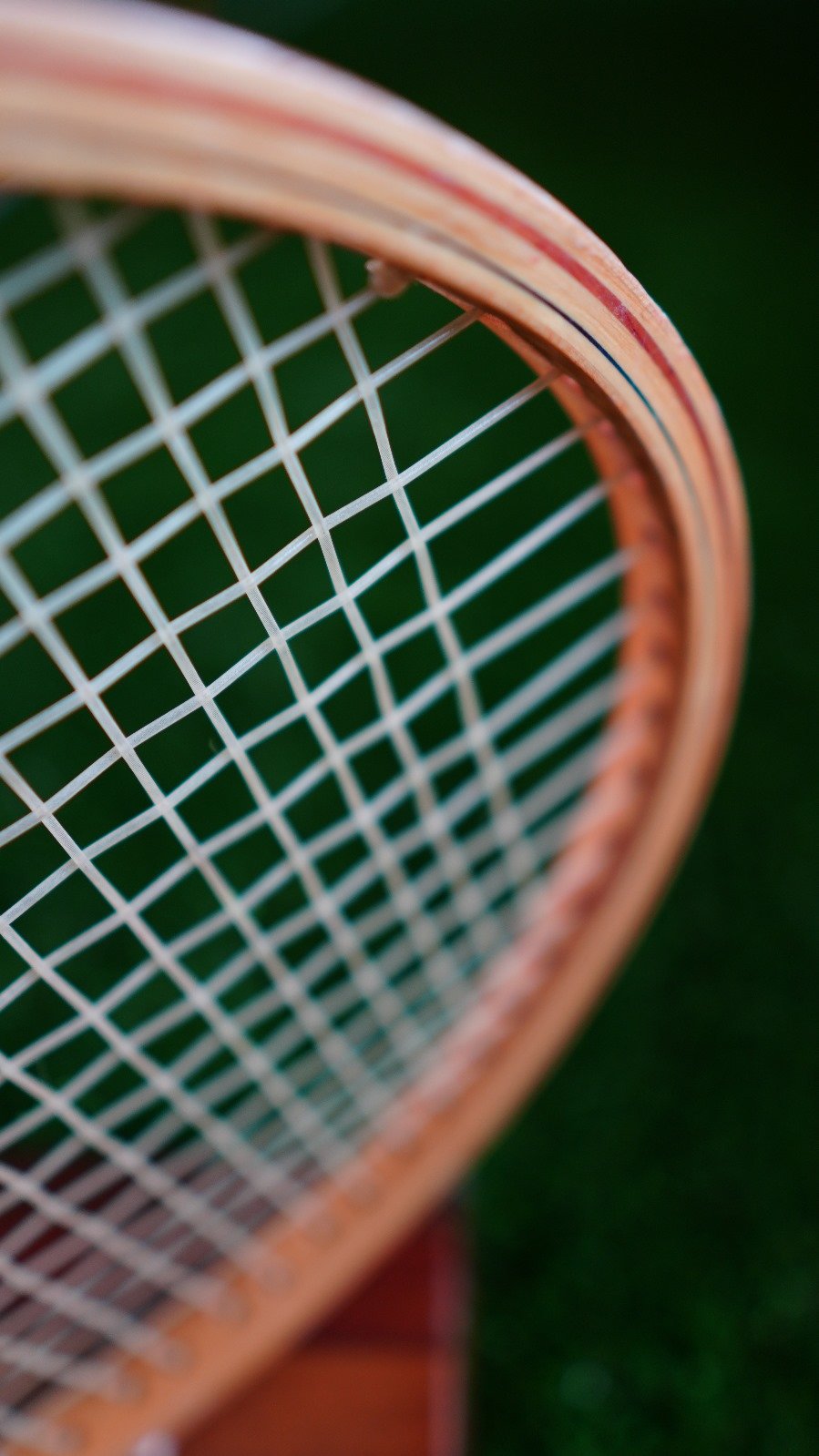
Tennis, a sport enjoyed by millions, has undergone a fascinating evolution since its inception. While we often marvel at the athleticism and skill of the players, the equipment they use has also drastically changed the game. One of the most significant advancements lies not in the racquets themselves, but in the strings that propel the ball across the court. From humble beginnings using sheep gut to today’s high-tech polymers, the history of tennis strings is a tale of innovation and its profound impact on the sport.
Natural Gut (1875 – 1950s)
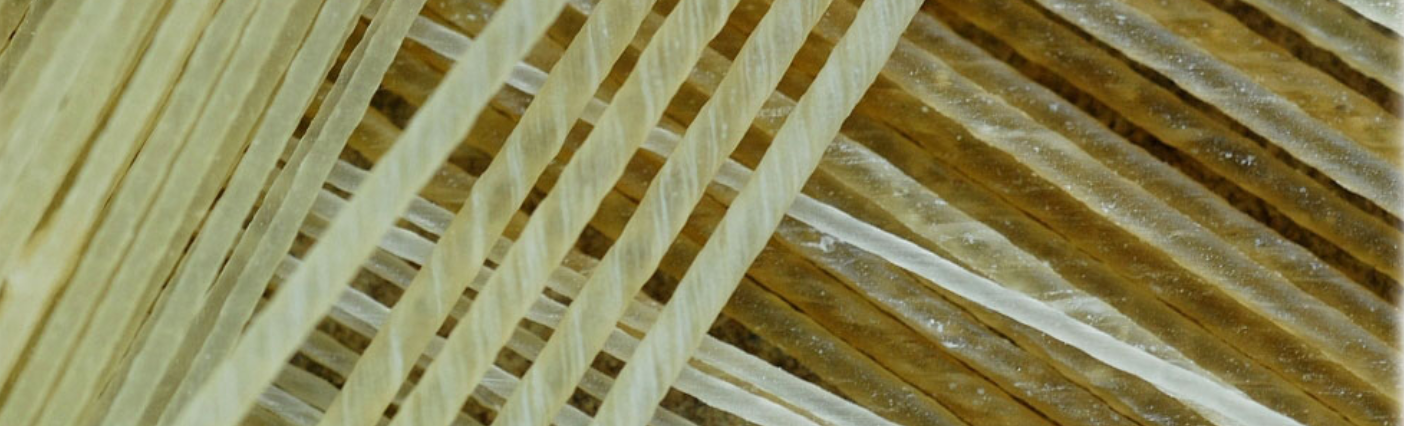
Just one year after tennis adopted its official rules, a Frenchman named Pierre Babolat, already renowned for crafting musical instrument strings, introduced natural gut strings to the world of tennis in 1875. These strings, crafted from sheep intestines, offered a unique combination of power and feel that remained unmatched for decades.The process was meticulous and labor-intensive, relying on carefully cleaned and stretched animal intestines to create the final product. While natural gut offered exceptional performance, its high cost and susceptibility to weather conditions made it a luxury reserved for the elite.
The Rise of Synthetics (1950s – 1990s)
The 1950s saw the rise of synthetic materials in various industries, and tennis strings were no exception. Driven by the need for a more cost-effective alternative to natural gut, manufacturers began experimenting with nylon and other synthetic materials. This marked a turning point, making tennis more accessible to the masses.While synthetic strings initially lacked the performance of natural gut, they were significantly cheaper and more durable. This accessibility led to a surge in tennis’s popularity, laying the groundwork for the sport’s future growth.
Polyester Revolution (1990s – Present)
The tennis world witnessed a seismic shift in 1997 when a relatively unknown Brazilian, Gustavo Kuerten, clinched the French Open title. His secret weapon? A then-novel string called Luxilon Big Banger, made from polyester.Polyester strings offered something different: incredible control and spin potential. Kuerten’s victory, along with the rise of other players adopting polyester, ushered in a new era of power and spin-heavy tennis. Suddenly, players could hit the ball harder and with more spin, keeping it within the court while generating incredible angles and pace.
Hybrids and Beyond
Today, string technology continues to evolve at a rapid pace. While polyester remains dominant, manufacturers are constantly innovating, introducing new materials, coatings, and even shapes to optimize string performance.Hybrid stringing, where players use different strings for the main and cross strings, has become increasingly popular. This allows players to fine-tune their setup, combining the benefits of different materials to maximize power, control, and feel.Companies like Babolat, Dunlop, and Yonex are at the forefront of this string revolution. Babolat’s RPM Power, Dunlop’s Explosive Red, and Yonex’s Polytour Pro are just a few examples of cutting-edge strings pushing the boundaries of what’s possible on the court.
Conclusion
The evolution of tennis strings from humble animal gut to high-tech polymers is a testament to human ingenuity. This constant drive for improvement has fundamentally changed how tennis is played, influencing the sport’s strategy, style, and even the athleticism required of its players. As technology continues to advance, one can only imagine what the future holds for tennis strings and the exciting possibilities they bring to this beloved sport.

Timeline
Timeline of Strings
| YEAR | EVENT |
|---|---|
| 1875 | Pierre Babolat creates the first natural gut tennis strings from sheep intestine. |
| 1941 | John Rex Whinfield, James Tennant Dickson, and the Calico Printers’ Association patent polyethylene terephthalate (PET). |
| 1950s | Introduction of synthetic gut strings, making tennis more accessible. Babolat switches to cow gut for natural strings. |
| 1991 | Luxilon Industries releases the Big Banger polyester string. |
| 1994 | Luxilon releases the Big Banger ALU Power polyester string. |
| 1997 | Gustavo Kuerten wins the French Open using Luxilon polyester strings, marking a turning point in the sport. |
| 1999 | Players begin experimenting with hybrid stringing, combining different materials for the main and cross strings. |
| 2019 | Dunlop launches Dunlop Explosive Red, a softer polyester string. Luxilon introduces LXN Smart, a polyester string that adapts to swing speed. |
| 2022 | 3rd generation of polyesthers launch with superior durability and spin |